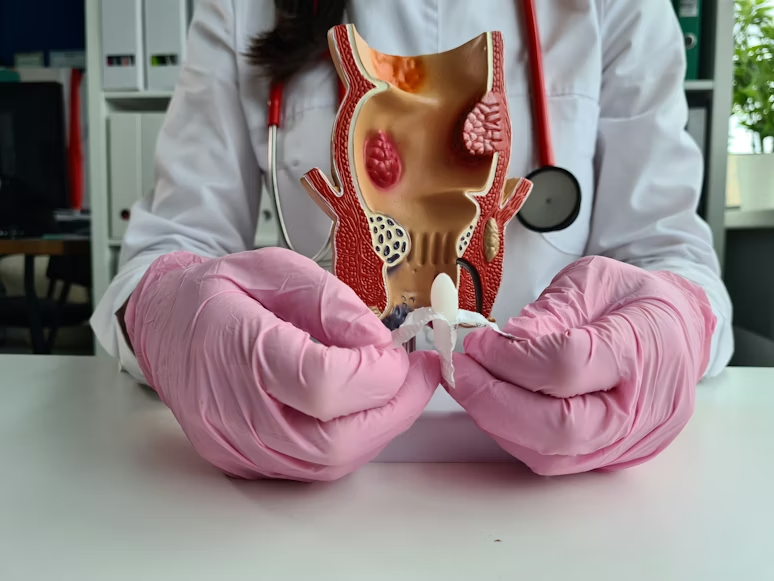
Colon cancer is one of the most common cancers, but it is also one of the most preventable with early detection. Colon cancer screening is crucial for detecting changes in the colon or rectum before they become cancerous, or identifying cancer in its early stages when treatment is most effective.
When to Start Screening
For individuals at average risk, colon cancer screening typically begins at age 45. If you have a family history of colon cancer, inflammatory bowel disease, or other risk factors, your doctor may recommend starting screening earlier.
Types of Screening Tests
● Colonoscopy: The most comprehensive screening where a flexible tube is inserted into the colon to check for abnormal growths. This is recommended every 10 years if results are normal.
● Fecal Occult Blood Test (FOBT) and Fecal Immunochemical Test (FIT): These non-invasive tests check for hidden blood in the stool, which can indicate cancer. They are typically done annually.
● Flexible Sigmoidoscopy: Similar to a colonoscopy, but only examines the lower part of the colon, recommended every 5 years.
● CT Colonography (Virtual Colonoscopy): A non-invasive imaging test that provides a detailed view of the colon, recommended every 5 years.
Indications for Colon Cancer Screening
If you are 45 or older, or if you have symptoms such as changes in bowel habits, persistent abdominal pain, or unexplained weight loss, speak with your healthcare provider about screening. Early detection through regular screening is key to reducing colon cancer-related deaths and improving outcomes.