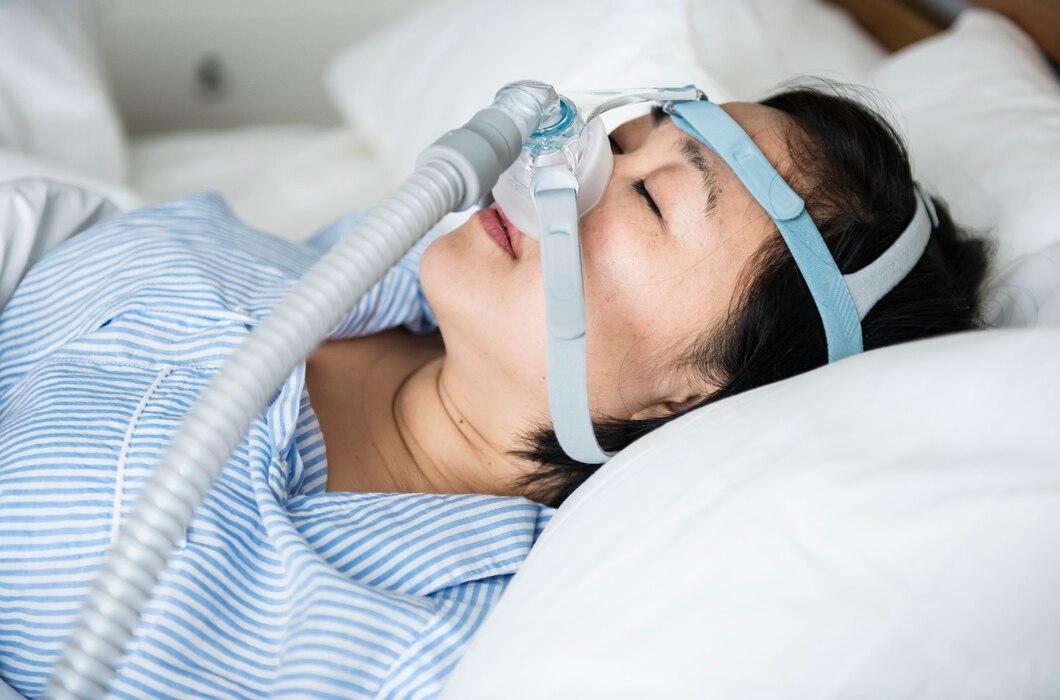
Sleep apnea is a common but often overlooked sleep disorder that can have serious consequences for overall health, particularly cardiovascular health. It occurs when the airway becomes partially or completely blocked during sleep, causing repeated interruptions in breathing. These interruptions can happen dozens or even hundreds of times a night, depriving the body of oxygen and disrupting restorative sleep.
One of the most concerning effects of sleep apnea is its impact on cardiovascular health. The frequent oxygen drops associated with sleep apnea trigger a stress response in the body, increasing heart rate and blood pressure. Over time, this chronic strain on the cardiovascular system can lead to serious conditions such as hypertension (high blood pressure), heart attack, and stroke. Sleep apnea is particularly concerning for individuals with existing heart disease, as it significantly raises the risk of complications. Hypertension is closely linked to sleep apnea. The repeated episodes of oxygen deprivation activate the body’s fight-or-flight response, causing blood vessels to constrict and blood pressure to rise. Studies have shown that treating sleep apnea can lead to significant
improvements in blood pressure, especially in patients with resistant hypertension that doesn’t respond to standard treatments.
Sleep apnea also contributes to an increased risk of atrial fibrillation (AFib), an irregular heart rhythm that can lead to blood clots and stroke. The stress and inflammation caused by oxygen deprivation and fragmented sleep exacerbate the risk of developing AFib, making early detection and management of sleep apnea crucial.
Beyond cardiovascular health, sleep apnea can affect overall well-being by causing chronic fatigue, daytime sleepiness, and difficulty concentrating. Untreated sleep apnea has been linked to metabolic disorders, diabetes, and even mental health issues like depression and anxiety.
Fortunately, sleep apnea is treatable. Continuous Positive Airway Pressure (CPAP) therapy, weight management, and lifestyle changes can significantly improve symptoms and reduce health risks. If you suspect sleep apnea, consult a healthcare professional for evaluation. Treating sleep apnea not only improves sleep quality but also protects your heart and promotes long-term health. Don’t ignore the signs—your heart and body will thank you.